2026-10-08 · Robert "Bob" Johnson
How to Spot a Frozen Water Line After a North Texas Cold Snap
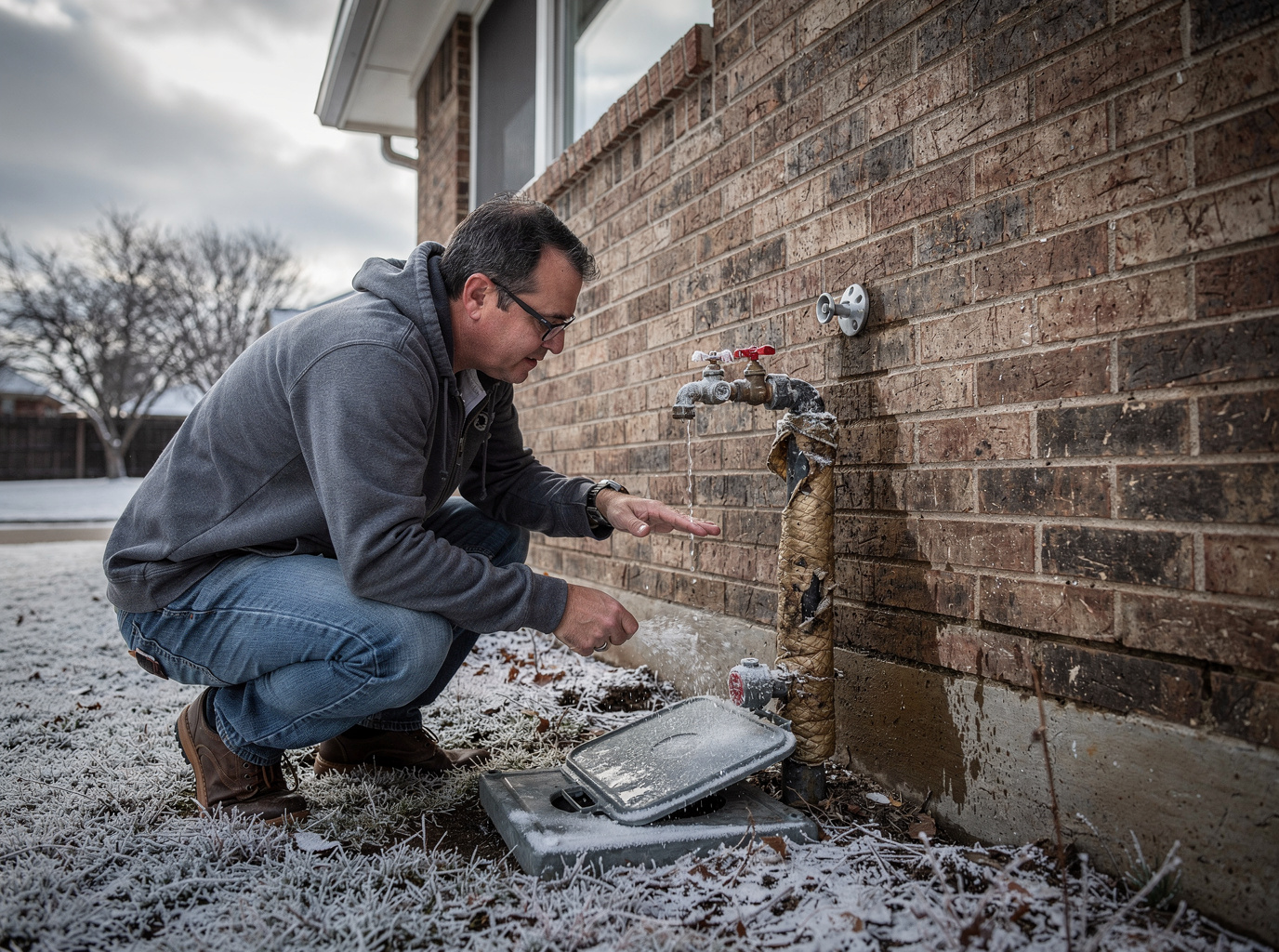
Spotting a frozen water line after a North Texas cold snap often comes down to recognizing a sudden, drastic drop in water pressure or a complete lack of water from one or more faucets in your home. While mild winters are typical for Denton County, occasional deep freezes, like those experienced in recent years, can cause outdoor pipes and those in unheated spaces to freeze solid within just a few hours if temperatures remain below 32°F. Homes in areas like The Tribute or Austin Ranch, especially those with older plumbing systems or inadequate insulation around exterior walls, are particularly susceptible, as the ground doesn't always provide sufficient thermal protection when the mercury plummets.
Understanding the Vulnerability of The Colony's Water Lines to Freezing
The Colony, with its hot, humid summers and generally mild winters, isn't always prepared for the extreme cold snaps that occasionally sweep through North Texas. This means many homes, especially older constructions or those built without extreme cold in mind, might have water lines that are more exposed than in colder climates. Pipes running through unheated crawl spaces, basements, or even along exterior walls and in garages are prime candidates for freezing. The soil in our area, while offering some insulation, isn't enough to protect shallowly buried lines when temperatures drop significantly and stay there for an extended period, as can happen during a polar vortex event. This vulnerability necessitates proactive checks after any sustained period below freezing.
Key Indicators of a Frozen Water Line
When temperatures dip, keeping an eye out for these specific signs can help you identify a frozen water line before it causes a major rupture and subsequent water damage. Don't wait until you see water pooling in your yard from a burst pipe; early detection can save you a significant amount of hassle and expense. Pay close attention to these indicators, especially if you live in a newer development like Stewart Peninsula, where initial ground settling might expose previously buried lines.
- No Water or Very Low Water Pressure: This is the most obvious sign. If you turn on a faucet and only a trickle comes out, or nothing at all, a frozen pipe is a strong possibility. Check multiple faucets throughout your home; if it's isolated to one area, the freeze is likely localized to that branch line. If it affects the entire house, your main service line might be frozen.
- Frost on Exposed Pipes: Visually inspect any exposed pipes in unheated areas like basements, utility rooms, or outdoor spigots. If you see frost or ice on the outside of a pipe, it's almost certainly frozen solid inside.
- Unusual Odors from Drains: While less common, a frozen drain pipe can sometimes lead to sewer gas odors backing up into your home, as the blockage prevents proper ventilation. This is a secondary, but still important, indicator.
- Bulging Pipes: If a pipe has frozen and the ice has started to expand, it can cause the pipe material to bulge. This is a critical warning sign that a burst is imminent or has already occurred, even if you don't see water yet. This often happens in plastic pipes more visibly than copper.
- Damp Spots on Walls or Ceilings: If a pipe has already burst due to freezing, you might start to see damp spots, discolored areas, or even dripping water on walls, ceilings, or floors. This indicates a leak and requires immediate attention. For more information on identifying these types of issues, you might find our article on Water Line Leak Detection helpful.
What to Do When You Suspect a Frozen Line
Once you've identified the signs of a frozen water line, immediate action is crucial to prevent further damage. The goal is to thaw the pipe safely and slowly, avoiding rapid temperature changes that can exacerbate the problem. Remember, a frozen pipe is under immense pressure, and a sudden thaw can lead to a burst if not handled carefully.